

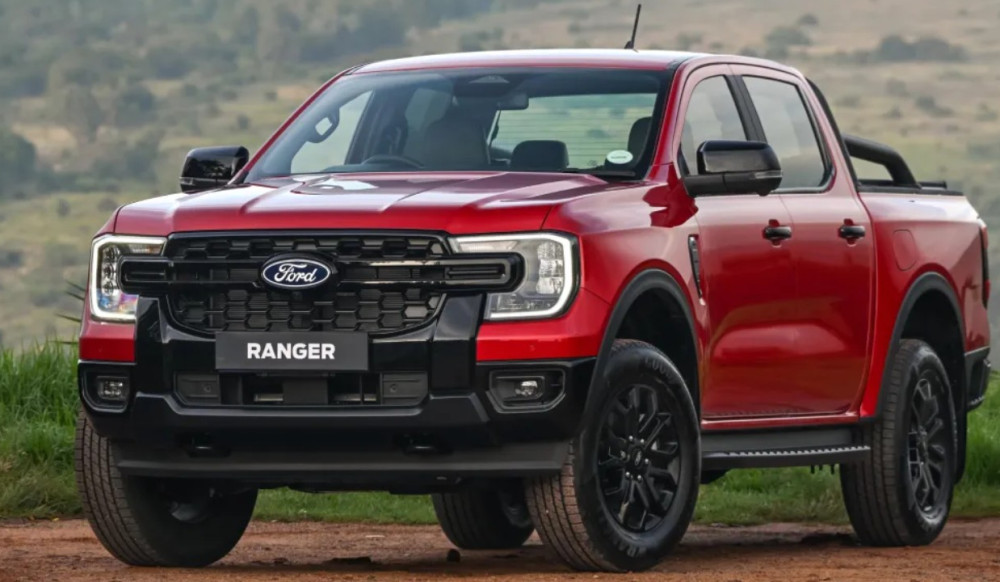


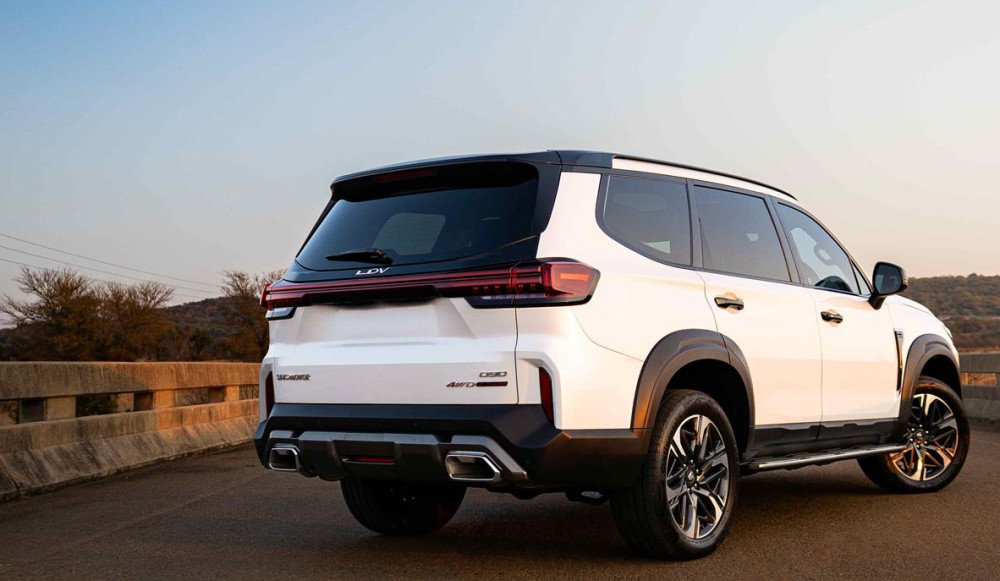

It was another bumper month on showroom floors as the new vehicle market sustained its upward trajectory in November, recording a 12,5% year-on-year increase in sales as a combination of domestic economic improvements bolstered consumer and business sentiment. According to figures released by naamsa: The Automotive Business Council, aggregate domestic sales reached 54 896 units for the month, a rise of 6 113 units compared to the 48 783 units sold in November 2024.
Year-to-date, the market remains 15,4% ahead of the corresponding period in 2024, indicating a consistent recovery pattern throughout the year. The month's performance was underpinned by a more supportive macroeconomic environment, characterised by lower fuel prices, a recent interest rate cut, and improved fiscal credibility following a sovereign credit rating upgrade.
Equally interesting is the Top 10 parade:
- Toyota – 13 576
- Suzuki – 6 385
- Volkswagen – 6 044
- Ford – 3 095
- Hyundai – 3 051
- GWM – 2 534
- Chery – 2 506
- Isuzu – 2 124
- Kia – 1 828
- Renault – 1 415
"November's performance reflects a market responding to a more supportive economic environment," says Lebo Gaoaketse, Head of Marketing and Communication at WesBank. "Lower inflation, relief at the fuel pump and the first interest rate cut under the revised 3% target have helped restore a sense of predictability in household budgets."

Starting or running a small business and in need of a bakkie – click here
A breakdown of the November sales shows an estimated 43 702 units, or 79,6%, were sold through the dealer network. The rental industry accounted for 16,3% of sales, with government purchases at 2,4% and industry corporate fleets making up 1,7%.
The passenger car segment saw sales of 39 158 units, an 11,0% increase from November 2024. Rental companies continued to be significant contributors, representing 21,2% of passenger car sales as it prepared for anticipated holiday season demand. The light commercial vehicle segment, encompassing bakkies and minibuses, showed strong growth of 20,5%, with sales climbing to 13 048 units.
Medium commercial vehicle sales were largely flat at 698 units, a marginal decrease of 0,6%. The heavy truck and bus segment recorded a modest increase of 1,3%, with 1 992 units sold.
The economic backdrop for November featured several positive developments. Fuel prices fell sharply, with petrol decreasing by 51 cents a litre and diesel by up to 21 cents. Furthermore, the South African Reserve Bank reduced the repo rate by 25 basis points to 6,75%, marking its first cut under the newly formalised 3% inflation target.
Sadly, it looks as if there will be a hefty fuel price increase for December.

Looking for a safe car for a student then click here
South Africa's fiscal standing also received a boost with S&P Global upgrading the country's sovereign credit rating, the first such upgrade in nearly two decades. The agency cited advances in fiscal consolidation and improved revenue performance.
"The recovery in the light commercial segment is an encouraging signal for small businesses and fleet operators," noted Gaoaketse. "Reinvestment in workhorse vehicles usually points to firmer business confidence and expectations of better trading conditions ahead."
Brandon Cohen, Chairperson of the National Automobile Dealers' Association (NADA), highlighted the role of product offering and finance. "The aggressive marketing of a wide range of affordable models is playing a major role in boosting retail sales. This has resulted in a noticeable improvement in finance approvals as affordability strengthens and credit conditions become more favourable."
However, the export side of the industry faced headwinds. Vehicle exports for November declined by 3,9% to 35 848 units, attributed to softer global demand and geopolitical tensions. The industry body noted it was monitoring potential volatility arising from recent diplomatic developments, including a proposed two-year extension of the US African Growth and Opportunity Act that may exclude South Africa.
As the year draws to a close, the industry anticipates a stable finish. "The market we see today is built on informed choices and realistic budgets," concluded Gaoaketse. "This discipline supports long-term stability for both consumers and the industry."
Colin Windell for Colin-on-Cars in association with
proudly CHANGECARS