

In recent years, the car market has seen substantial shifts, driven by changing consumer tastes, economic hurdles, and the emergence of new competitors. Automakers are revising their strategies to navigate these evolving conditions, particularly in South Africa, where the medium and luxury vehicle segments are under pressure.
Audi and Mercedes-Benz have both introduced significant measures to retain their market share. Audi's decision to extend its Freeway Plan is aimed at providing long-term value to customers, while Mercedes-Benz has found cost-efficiencies in its Service and Maintenance elements and reduced prices on that, which it has passed on to the competitive. Additionally, the increasing presence of Chinese car brands is altering the market landscape, challenging established players with competitively priced, feature-rich vehicles.

We have a large selection of dealer-backed pre-owned Audi models at excellent prices - click here
Audi has introduced an extension of its Freeway Plan, a move aimed at drawing more consumers amid a contracting car market. The Freeway Plan offers customers maintenance and service benefits, enhancing the overall ownership experience. This initiative is likely to boost sales by providing peace of mind and lowering long-term costs for Audi owners.
Additionally, the Audi Group, which includes luxury brands like Bentley, Lamborghini, and Ducati, anticipates an operating margin increase to 7-9% this year, a rise from the previous 6% in 2024 (Audi Group anticipates operating margin growth) .

Crunch the numbers by using this handy Finance Calculator
While extending the Freeway Plan could attract new buyers, Audi faces challenges such as the initial financial outlay and potential impact on profit margins. However, the focus on customer satisfaction and loyalty aims to drive long-term growth. This strategy positions Audi favorably in the luxury segment, where consumers increasingly seek value-added services.
Mercedes-Benz has been able to reduce prices on its Service and Maintenance (S&M) contracts, which it has passed onto the consumer to stay competitive in today's complex car market. This pricing strategy shows the company's awareness of the need for flexibility in the current economic climate. Joerg Burzer, Mercedes-Benz's production chief, highlighted the importance of being adaptable given the present complexities (Joerg Burzer emphasizes flexibility in production strategy) .
By lowering S&M prices, Mercedes-Benz aims to make its vehicles more accessible to a wider audience. This approach could potentially boost sales volume and increase market share, particularly in segments where price sensitivity is a significant factor.

Click and see the selection of pre-loved Mercedes-Benz models we have on offer
The company's ability to streamline production and reduce costs will be crucial to sustaining this strategy over the long term. Mercedes-Benz's pricing adjustments are a clear response to the changing dynamics of the car market, as they strive to remain a key player amidst growing competition from more affordable and feature-rich alternatives.
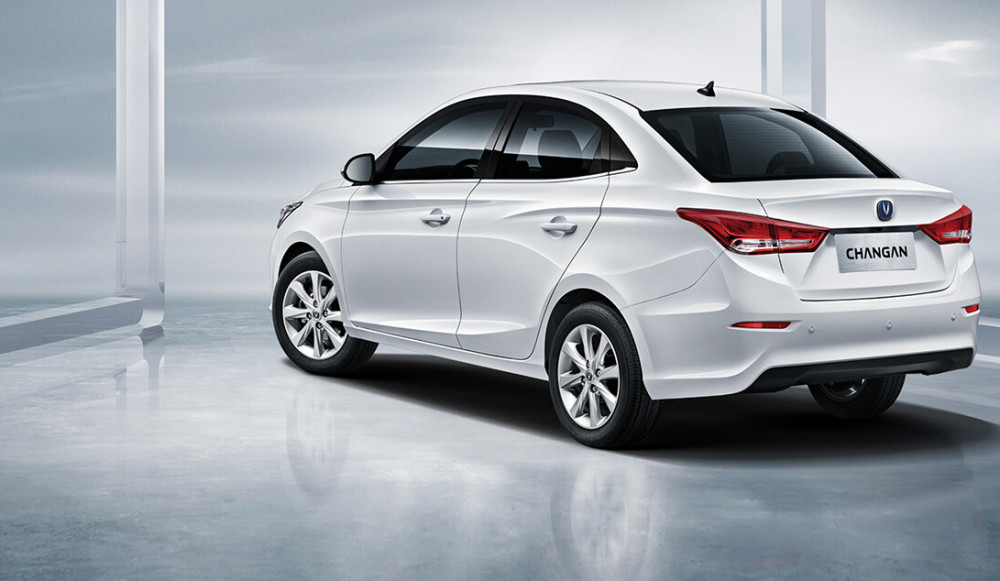
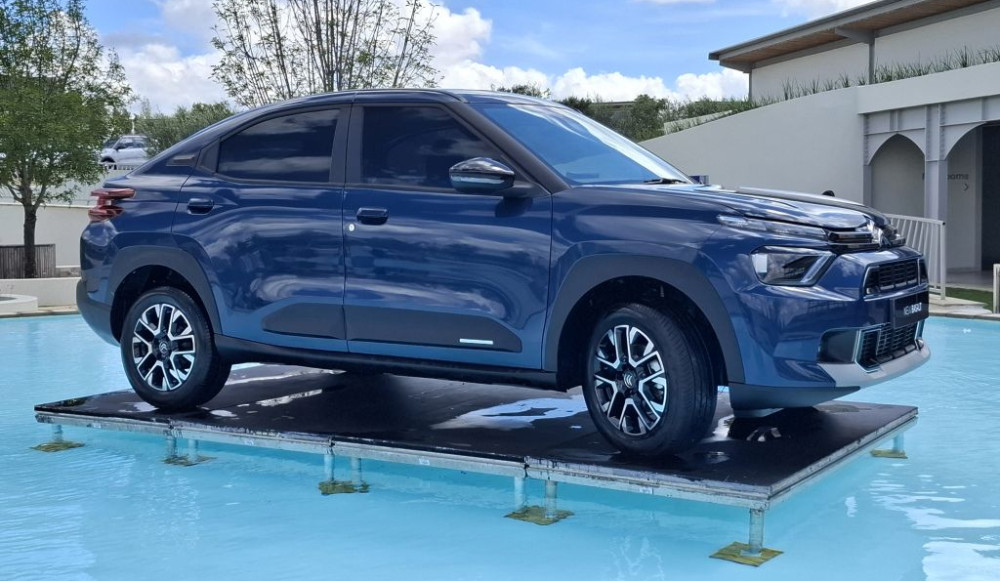
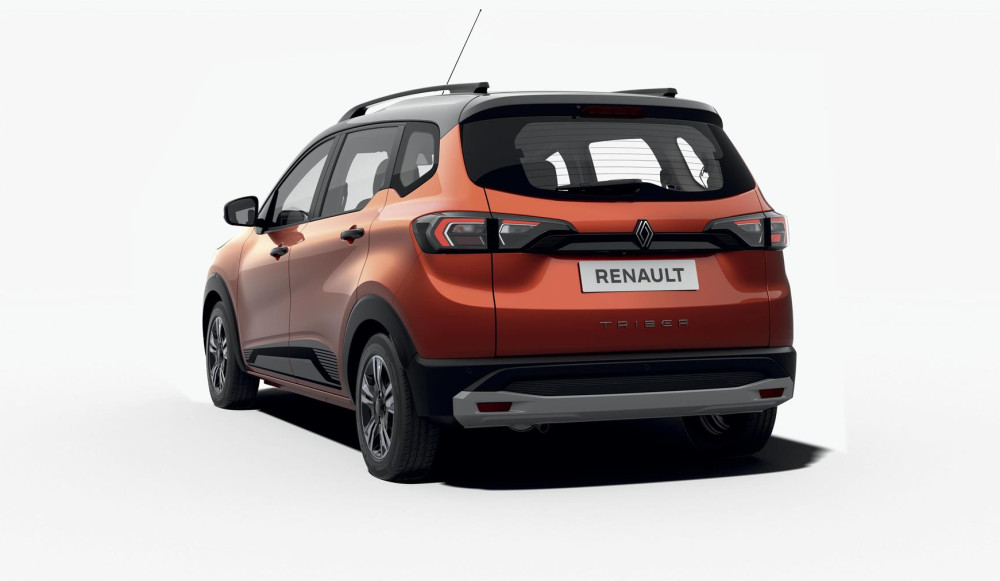
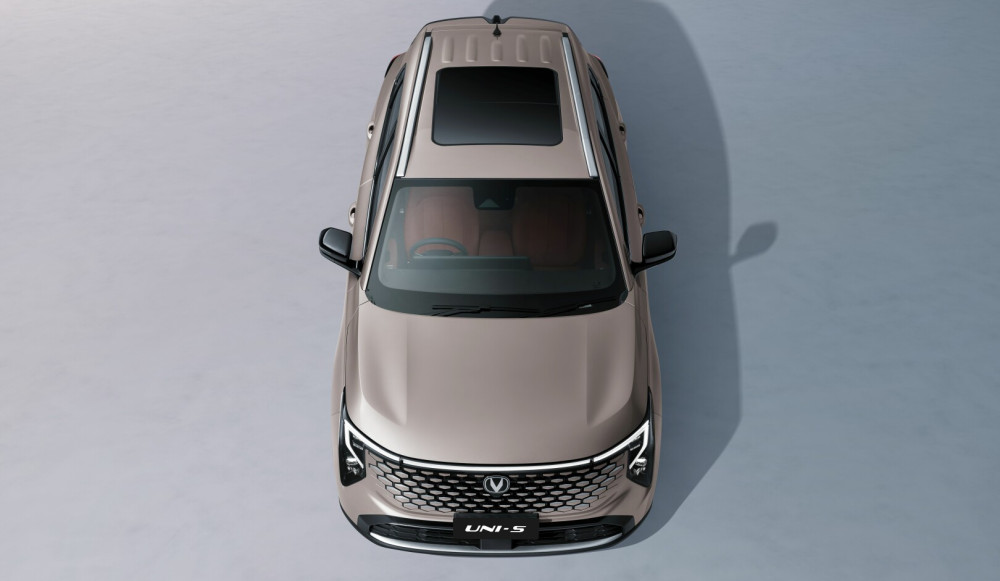
Chinese car models are significantly impacting the South African market by offering competitively priced, feature-rich vehicles. These brands have quickly gained popularity among consumers looking for cost-effective yet technologically advanced options. The affordability of these models makes them an attractive alternative to traditional automakers like Audi and Mercedes-Benz, especially in an economically strained environment.
Chinese manufacturers excel in integrating modern features such as advanced safety systems, infotainment options, and fuel-efficient engines into their vehicles without driving up costs. This approach appeals to a broad range of buyers, from budget-conscious consumers to those seeking high value for their money.
The presence of Chinese brands is compelling established automakers to rethink their pricing and feature strategies. With the ability to offer high-quality vehicles at lower prices, Chinese car manufacturers have disrupted the market dynamics. Traditional brands now face the challenge of balancing cost efficiency with the need to incorporate advanced features to remain competitive.
As Chinese models continue to gain traction, the South African car market is witnessing a shift that underscores the importance of value and innovation. Established automakers must adapt to these changes to sustain their market positions amidst the growing influence of Chinese brands.
The landscape of consumer preferences in the car market is evolving. Buyers are now focusing on attributes like fuel efficiency, technology integration, and strong after-sales service. There's a noticeable increase in demand for electric and hybrid vehicles, reflecting a growing inclination towards environmentally friendly options. This shift in consumer behavior is steering purchasing decisions and prompting automakers to innovate and align their offerings with these new expectations.
Car manufacturers are acutely aware of these changing preferences and are adjusting their strategies accordingly. Initiatives like Audi's Freeway Plan and Mercedes-Benz's recent price adjustments underscore how companies are catering to the consumer demand for better value and flexibility. By addressing these evolving trends, carmakers aim to attract modern buyers and secure their loyalty in a competitive market.

Don’t stress we have you covered – click here for a great insurance deal
The South African vehicle market is poised for continuous evolution, shaped by shifting consumer behaviors and economic influences.
As affordability and value become increasingly significant to buyers, automakers will need to innovate and explore new business models to stay competitive. The rise of Chinese car brands underscores the importance of offering feature-rich, cost-effective vehicles, pushing traditional manufacturers to rethink their approaches.
Looking forward, Audi and Mercedes-Benz will need to place a greater emphasis on technological advancements and customer-centric strategies. Innovations in electric and hybrid technology, as well as enhanced after-sales services, will likely be pivotal in maintaining their market positions. Additionally, the emphasis on environmentally friendly options is expected to grow, driven by increasing consumer awareness and regulatory pressures.
The ongoing impact of economic fluctuations will also play a critical role in shaping market dynamics. Automakers may need to adopt flexible pricing and financing options to accommodate varying consumer budgets. Moreover, the focus on long-term value through maintenance plans and warranties could become a more prominent selling point.
Adaptability will be key for automakers aiming to navigate these changes successfully. By staying attuned to consumer needs and market trends, companies can develop strategies that not only meet current demands but also anticipate future shifts.
The ability to offer innovative, value-driven vehicles while maintaining profitability will be essential for sustaining growth in this competitive landscape.
In summary, the future of the South African car market will be defined by a blend of technological innovation, customer focus and strategic flexibility. Automakers that can effectively balance these elements will be well-positioned to thrive amidst the evolving market conditions.
Colin Windell for Colin-on-Cars in association with
proudly CHANGECARS