
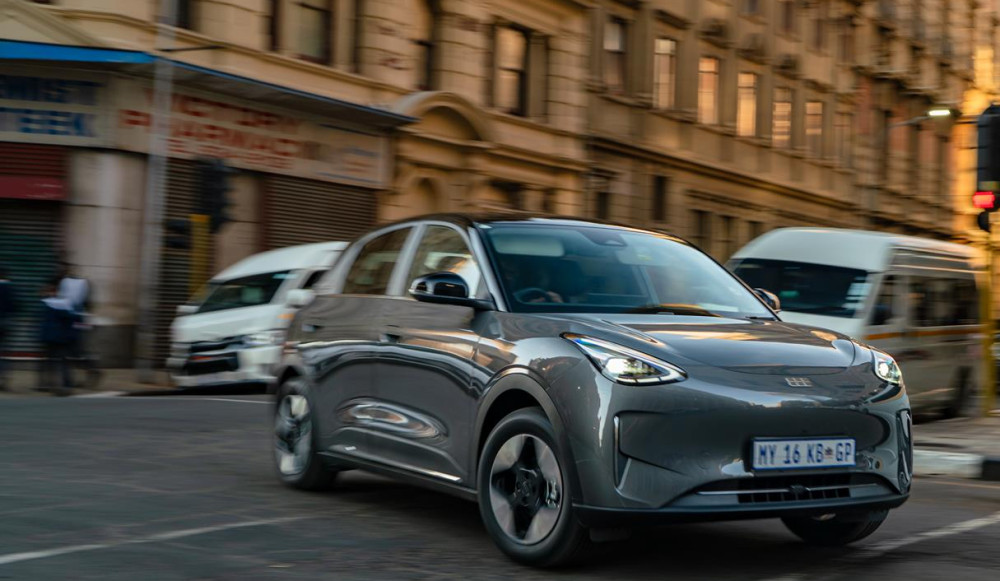
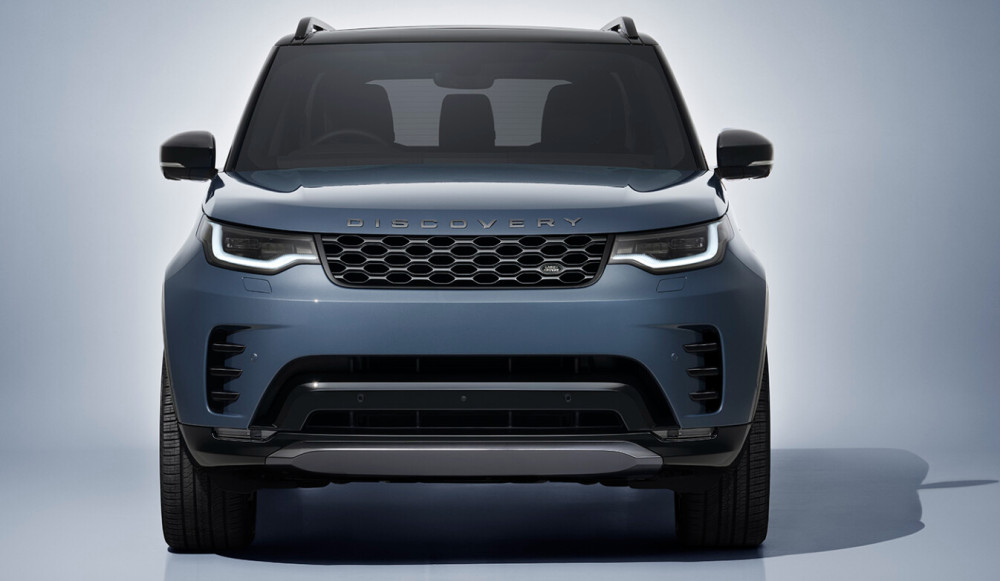
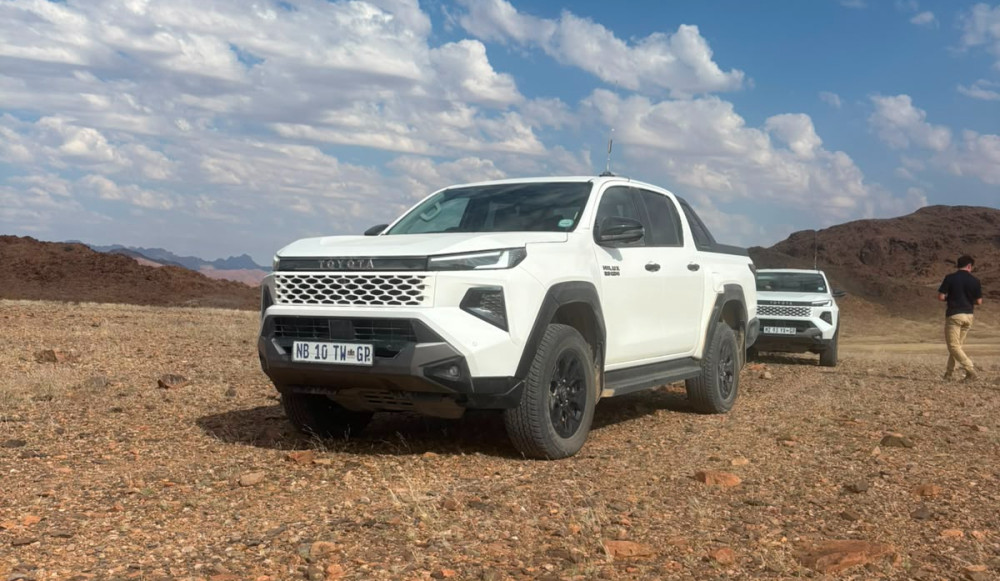

South African car buyers are increasingly turning their backs on traditional petrol and diesel vehicles, with new data showing a dramatic uptick in electric and hybrid vehicle sales during the first three months of 2026.
Figures released by naamsa | The Automotive Business Council reveal battery-electric vehicle sales nearly doubled compared to the same period last year, while plug-in hybrid sales climbed by 430%. The growth comes despite the absence of government-backed incentives, suggesting consumers are making the switch based on their own calculations around running costs and long-term value.
The shift has placed dealerships under pressure to secure stock, with many reporting longer waiting lists and a noticeable increase in foot traffic from buyers keen to make the leap to new energy vehicles. But beneath the surface of this boom lies a fundamental change in how car retailers operate.
For decades, the service bay has been a reliable revenue stream for dealerships. Petrol and diesel vehicles require regular oil changes, belt replacements and mechanical attention that keeps workshops busy and profitable. Electric vehicles, by contrast, have fewer moving parts and need significantly less routine maintenance.
Rather than viewing this as a threat, however, dealerships are repositioning themselves as guides through what many buyers find a complex and unfamiliar landscape.

Great insurance is a safety net you really need – click here to find out more
"The true value of a dealership has fundamentally shifted from grease and spanners to guidance, trust, and advanced technical intelligence," says Ryan Seele, Executive of the National Automobile Dealers' Association. "Buyers are not just choosing a new powertrain; they are adopting an entirely new lifestyle. They need to understand home charging setups, public infrastructure networks, battery degradation and complex trade-in values. Without the dealership network acting as trusted conduits, the wheels of this transition would turn a lot slower."
While most customers arrive at dealerships having already done significant online research, the showroom floor remains the place where final decisions are made. Dealership staff are increasingly finding themselves playing the role of educator rather than traditional salesperson.
Seele noted customers frequently arrive with questions that go well beyond the basics. "Demystifying the differences between NEV alternatives such as BEVs, PHEVs, and traditional hybrids is always a key requirement. However, customer education at the dealership level goes far beyond that. Dealers play a crucial role in helping buyers understand how to accurately calculate the expected cost of owning the vehicle they are eyeing, given South Africa's variable electricity tariffs, home solar integration and even the impact of seasonal ambient temperatures on real-world battery consumption and range."
This guidance extends to total cost of ownership calculations that factor in purchase price, projected residual values, interest-linked holding costs, insurance premiums, and specialised maintenance requirements.

Can I afford it – find out with this handy Finance Calculator
The shift towards software-driven vehicles has also prompted a parallel transformation in dealership workshops. Technicians are being retrained to move away from traditional mechanical servicing towards advanced software diagnostics and electronic systems analysis.
Working with high-voltage batteries also introduces safety considerations that require specialised training. Dealerships are investing in programmes to ensure technicians understand battery chemistry and can properly manage related risks before vehicles are returned to customers.
The modern car buying journey in South Africa has evolved beyond a simple transaction. Dealerships are now helping buyers navigate wall-box installations, solar integration, over-the-air updates, and battery health diagnostics.
The current demand for new energy vehicles suggests that earlier consumer concerns about range anxiety and grid capacity have been overtaken by more practical calculations about monthly running costs. Dealerships are advocating for more stock from manufacturers and working to match eager buyers with vehicles that suit their specific driving patterns.
Seele concluded: "Ultimately, the reduction in mechanical maintenance is a win for the consumer's pocket, but it does not come as an existential threat for the auto retail sector. By elevating both workshop capability and the customer experience to meet this new wave of demand, South Africa's automotive retail sector is proving while the cars are changing, the human relationship and technical expertise at the heart of ownership remain completely irreplaceable."
Colin Windell for Colin-on-Cars in association with
proudly CHANGECARS